Introduction
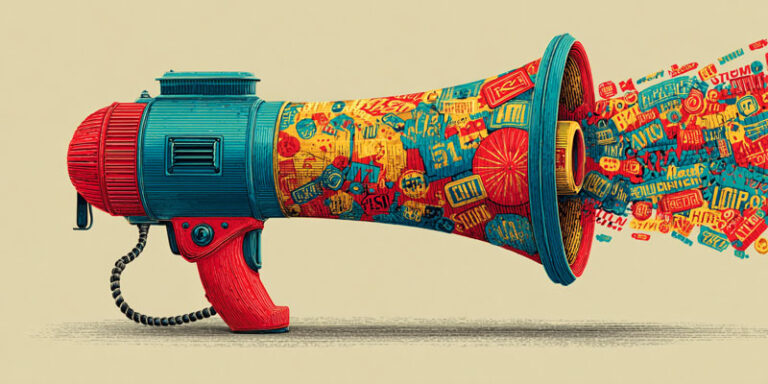
Prompting started as a technical hack. By 2025, it has matured into a design discipline. Prompt UX is about making AI interactions seamless, intuitive, and aligned with real workflows. As AI becomes part of daily work, the line between writing a prompt and designing an experience is fading fast.
This post looks at where prompt UX is heading, which tools and practices define the edge, and how design thinking will shape the next wave of human-AI interaction.
How Prompt UX Evolved: 2020 to 2025
- 2020–2022: Clever one-liners and quick tricks were popular.
- 2023–2024: Prompt engineering emerged with longer, structured inputs and examples.
- 2025: The focus shifted to flows and experiences. Prompts became part of larger, visualized, interactive systems.
We are asking less “What words should I type?” and more “What experience do I want to create?”
Key Trends Defining Prompt UX in 2025
1. Visual Interfaces
Drag-and-drop builders make complex conversations easier to design and share. Tools like LangFlow and Promptable let teams map nodes, branches, and versions. You may also see people refer to a “flow mode” concept in community discussions. That label is not an official product feature, but the design idea is clearly gaining traction.
2. Purpose-Based Design
Prompts are increasingly tied to goals and metrics. Teams connect inputs to outcomes using experiment and analytics stacks such as Optimizely, VWO, and GA4, then refine language based on what actually moved a KPI.
3. Real-Time Interactivity
Interactive prompts are becoming standard. Checkpoints, short feedback requests, and quick variants are built into the flow so the model adjusts as preferences change. This is less about novelty and more about saving time.
4. Cross-Modal Prompting
Work no longer stays in text. With tools like Midjourney, Suno, and Blender add-ons, teams blend text, visuals, audio, and 3D into a single workflow.
Case Study: A Global Retail Brand
One global retailer rebuilt its creative pipeline around a unified UX layer instead of isolated prompts.
- Visualized flows for campaign ideation
- Interactive checkpoints for copy and imagery
- Direct export into Figma and Shopify
Campaign cycles shrank from six weeks to two. Designers felt more in control because they could see and adjust the flow, not just the final output.
Design Principles for Future Prompt UX
- Clarity: Plain language beats ornate instructions. Say what you need and why.
- Feedback loops: Plan two or three checkpoints so iteration is expected, not accidental.
- Transparency: Show how prompts connect to outcomes and where decisions were made.
- Flexibility: Allow branching, remixing, and light personalization without breaking the flow.
Emerging Tools to Watch in 2025
- Workflow automation: Zapier and Make orchestrate prompts across SaaS apps so teams can run repeatable sequences.
- Prompt evaluation: LangSmith and similar tools help trace versions, compare outputs, and track costs.
- NextMindGen Prompt Atlas (beta): A map-style visualization of prompt categories that lets users explore new workflows like navigating a city.
- Coaching concepts: You may see talk of “coach modes” that guide users toward better inputs. These are ideas rather than confirmed product features, but the direction points to gentler onboarding and embedded best practices.
Looking Ahead to 2026 and Beyond
- Seamless integration: Prompts will fade into the background while natural interactions surface across devices and apps.
- Adaptive UX: Systems will adjust prompts automatically based on behavior, preferences, and goals.
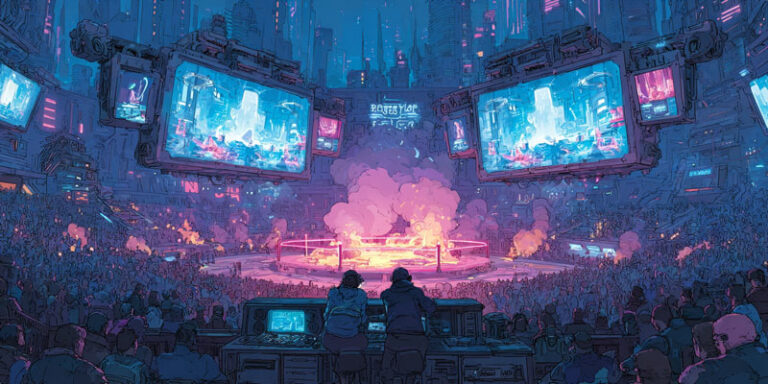
- Co-design: Teams will sketch, test, and refine with AI in real time. The model will be a design partner, not just a text box.
Conclusion
Prompt UX in 2025 is where AI meets design. The best results come from experiences shaped for clarity, adaptability, and purpose. As we move toward 2026, the question shifts from “How do I write a good prompt?” to “How do I design a good interaction?” Now is the time to build the practices, tools, and habits that make that shift feel natural.
Subscribe to NextMindGen for more explorations of AI design, prompt workflows, and the future of human-AI collaboration.