Introduction
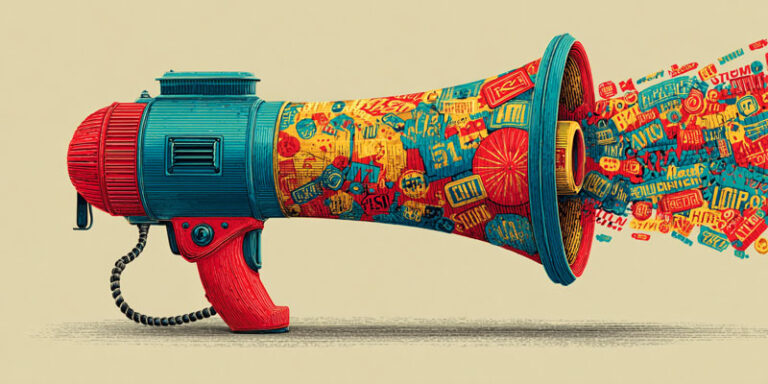
Every brand has a voice — the way it “sounds” in writing, visuals, and even silence. In the AI era, prompts are no longer just backstage instructions; they’re instruments shaping how that voice comes through in every email, ad, or post. Brand Voice with AI means designing prompts that consistently reflect identity: playful, serious, minimalist, or bold. This post explores how prompts influence brand voice, with frameworks, case studies, and creative experiments to help companies maintain their personality while scaling content through AI. A 2023 McKinsey survey found that 63% of executives see brand differentiation as the top challenge in AI-assisted content creation McKinsey.
Why Brand Voice Matters More with AI
When humans write, tone naturally aligns with culture and style guides. AI, however, defaults to neutral unless guided. That’s both risk and opportunity:
- Risk: Without careful prompting, your AI outputs sound generic and forgettable.
- Opportunity: With crafted prompts, you can scale a unique voice across channels faster than ever before.
Framework: Crafting Prompts for Brand Voice
Think of a brand voice as a set of dials you adjust within prompts:
- Tone: Friendly, authoritative, witty, empathetic.
- Formality: Casual blog vs legal notice.
- Perspective: First-person, third-person, or brand-as-character.
- Values: Sustainability, innovation, inclusivity woven into phrasing.
Example prompt: “Write a LinkedIn post about our new AI tool in a confident yet approachable tone, highlighting innovation and ease-of-use, written as if the brand is a supportive mentor.”
Case Study: A Retailer’s AI Voice Calibration
A lifestyle retailer tested AI for product descriptions. The first runs felt flat: “This shirt is comfortable and stylish.” After adjusting prompts to emphasize the brand’s quirky humor, they got lines like: “Soft enough to nap in, bold enough to turn heads at brunch.” Same product, totally different identity. The brand now maintains a “prompt library” with tone presets for different channels, ensuring voice consistency across newsletters, social posts, and product pages. This mirrors 2024 Gartner insights showing that structured AI prompt libraries can reduce off-brand content by 40% Gartner.
Experiment: Voice Switching
Prompts let brands explore alternate voices quickly. Try this exercise:
- “Write our About Us page in the voice of a travel guide.”
- “Pitch our new service as a bedtime story.”
- “Describe our values as a stand-up comedy routine.”
These playful switches uncover hidden tones that might enrich campaigns or internal storytelling. Even if they aren’t used directly, they expand creative possibilities.
Maintaining Consistency at Scale
When generating thousands of AI outputs, drift is inevitable. To prevent this:
- Build a voice style sheet: Document example prompts, desired tones, banned phrases.
- Use reference anchors: Always feed AI with a few samples of on-brand writing.
- Audit regularly: Randomly check outputs to ensure voice hasn’t diluted.
Potential Pitfalls
- Overengineering: Prompts that are too long or rigid choke creativity.
- Imitation trap: Copying another brand’s tone makes you blend in, not stand out.
- One-size-fits-all: A single prompt won’t work for every channel. Adjust for context.
Creative Twist: Personifying the Brand
Some companies push voice further by treating the brand as a literal character. Prompts like “Write this as if our brand were a witty barista” create consistency across copy, campaigns, and customer service replies. This personification not only standardizes voice but also strengthens emotional connection with audiences. Fast Company’s 2024 trend report highlighted that brands adopting “character personas” see significantly higher engagement on social media.
Conclusion
Prompts aren’t just technical tools; they’re steering wheels for brand identity. The way you phrase inputs can make your company sound boring or brilliant, distant or warm. By calibrating prompts thoughtfully, you preserve brand voice while scaling with AI. The brands that win won’t just generate more content — they’ll sound unmistakably like themselves, no matter who or what is doing the writing.