Introduction
One of the simplest yet most powerful ways to explore AI is through prompt remixing — taking a single input and asking the model to deliver it in different tones or styles. Imagine writing one product pitch, then instantly seeing it rewritten as a Shakespearean sonnet, a tweet thread, or a corporate press release. This ability to remix opens creative doors for marketers, freelancers, designers, and anyone who works with words. In this post, we’ll explore how prompt remixing works, why it’s valuable, and how you can use it strategically.
What Is Prompt Remixing?
At its core, prompt remixing is about changing the framing of an AI request without altering the underlying content. For example:
Original prompt: “Write a product description for a smartwatch.”
Remix #1: “Write a witty product description for a smartwatch in the style of a late-night comedy host.”
Remix #2: “Write a formal, investor-facing product description for a smartwatch.”
Remix #3: “Write a casual, Gen Z–friendly product description with emoji.”
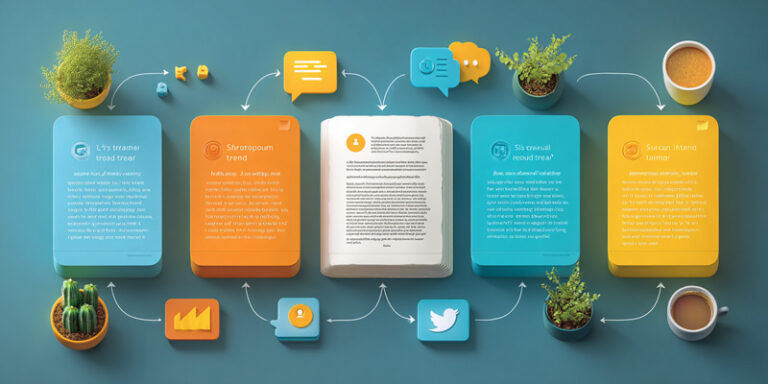
Each variation produces the same information but in a dramatically different voice, revealing how tone shapes perception.
Why Remixing Matters
- Audience targeting: The right tone can decide whether your message resonates with executives, students, or casual browsers.
- Creative exploration: Remixing sparks ideas you may not have considered if you only worked in your own style.
- Efficiency: Instead of drafting multiple versions from scratch, you generate a range of options quickly.
- Brand voice testing: Companies can experiment with different styles before locking in how they want to sound.
Best practices from the OpenAI Help Center highlight that explicitly stating the tone or style you want (“formal,” “friendly,” “humorous”) helps the model produce outputs aligned with your intent.
Case Study: A Freelancer’s Pitch Email
A freelance marketer tested prompt remixing while writing cold emails. The base content was identical: introducing their services and offering a short consultation. They remixed it into three tones:
- Formal: Polished, structured, and polite. Result: responses from corporate clients who valued professionalism.
- Casual: Friendly and conversational. Result: stronger engagement from startups and creative agencies.
- Playful: Jokes and light humor. Result: lower response rate overall, but one client mentioned they specifically appreciated the humor.
The key lesson: no single tone fits every context. Remixing allowed the freelancer to match style with audience more effectively.
How to Practice Prompt Remixing
You don’t need a competition or big project to practice. Try these steps:
- Pick a neutral prompt: Write a straightforward version of your content first.
- Choose 3–4 styles: Examples include formal, persuasive, humorous, poetic, technical, casual.
- Run the remixes: Ask AI to deliver each version explicitly in the chosen style.
- Compare outputs: Which tone feels most effective for your goal?
Remix Templates You Can Try
Here are quick add-ons you can copy-paste into your prompts:
- “…in the style of a TED talk speaker.”
- “…as if written by a medieval scribe.”
- “…with short, punchy social media captions.”
- “…as a professional press release.”
- “…like a casual conversation over coffee.”
When Not to Remix
While remixing is fun, it’s not always the best approach. Highly technical or compliance-driven writing often requires consistency and accuracy over creativity. For example, legal contracts or financial disclosures don’t benefit from playful experimentation. The rule of thumb: remix for expression, not for precision-critical work.
Community Examples
Prompt remixing is also popular in AI communities. Some groups run “remix threads” where members share the same base prompt and showcase how wildly different the outputs become. These sessions act as both entertainment and education — showing just how much tone can bend meaning while the core message remains the same. Reddit forums like r/PromptEngineering frequently host remix-style challenges where users compare tonal shifts.
Conclusion
Prompt remixing is more than a novelty. It’s a powerful tool for testing brand voices, reaching diverse audiences, and sparking creativity. The next time you’re stuck on phrasing, don’t start from scratch — remix your existing prompt into new tones and see what sticks. The surprise is often not in the information itself, but in the style that delivers it.
Want more remix frameworks and examples? Subscribe to NextMindGen and join a community where creativity meets practical AI workflows.